Smart Homes Meet Interior Design: How Technology Is Redefining Modern Living Spaces
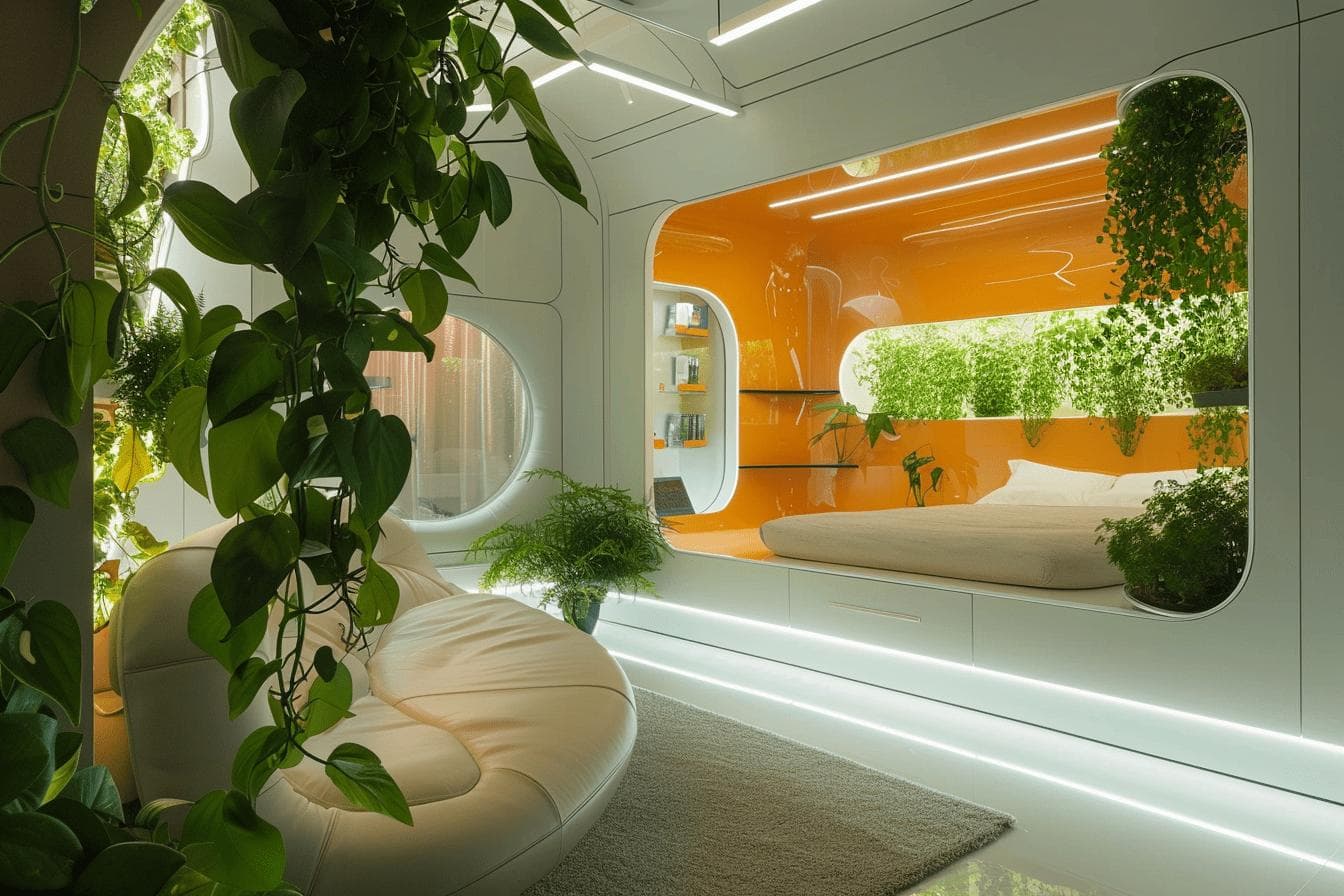
The idea of a “smart home” has moved far beyond gadgets and voice commands—it’s now deeply influencing how homes are designed from the ground up. Interior design today isn’t just about aesthetics; it’s about creating spaces that are intuitive, connected, and responsive. Technology is being woven seamlessly into layouts, furniture, and lighting to enhance both functionality and comfort without compromising style.
Seamless Integration Over Visible Tech
One of the biggest shifts in modern interiors is the move toward invisible technology. Designers are focusing on clean, clutter-free spaces where devices blend into the environment. Smart lighting, hidden speakers, and built-in automation systems are integrated into walls and furniture, allowing homes to look elegant while still being highly functional. The goal is simple: technology should enhance the space, not dominate it.
Personalized Living Experiences
Smart homes are redefining comfort by making spaces adaptable to individual needs. Lighting that adjusts to your mood, temperature that changes automatically, and voice-controlled systems all contribute to a personalized experience. Interior design now considers how a space feels throughout the day, ensuring that technology supports relaxation, productivity, and well-being.
Multi-Functional and Adaptive Spaces
As homes become smarter, they’re also becoming more flexible. Furniture and layouts are designed to adapt—living rooms double as workspaces, and bedrooms transform into entertainment zones. Smart storage solutions and modular furniture help maximize space, especially in urban homes where efficiency is key. Technology plays a central role in enabling these dynamic environments.
Sustainability Meets Innovation
Sustainability is another major factor driving this transformation. Smart systems help reduce energy consumption through automated lighting, efficient climate control, and real-time monitoring. Interior design is increasingly aligned with eco-friendly materials and energy-saving technologies, creating homes that are not only beautiful but also responsible.
The Future of Living Spaces
The fusion of smart technology and interior design is shaping homes that are more than just places to live—they’re environments that respond, adapt, and evolve with us. As innovation continues, we can expect homes to become even more intuitive, where design and technology work together seamlessly. The future of interior design isn’t just about how spaces look, but how intelligently they function.