AI in Logistics: How Smart Technology Is Transforming Supply Chains and Delivery Systems
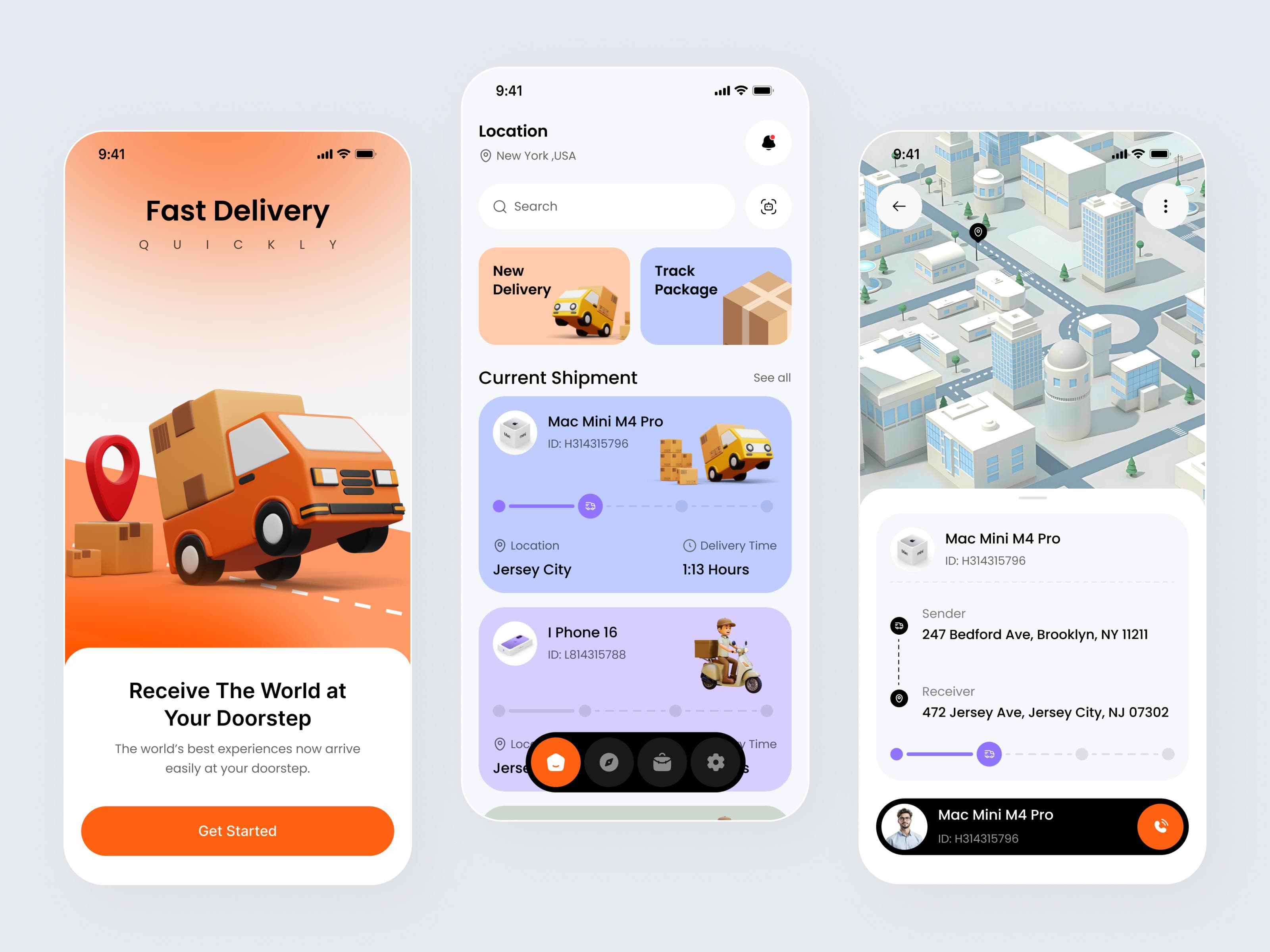
The logistics industry is undergoing a major transformation, driven by the rapid adoption of artificial intelligence (AI). What was once a process-heavy, manual industry is now becoming faster, smarter, and more efficient. From warehouse management to last-mile delivery, AI is helping businesses streamline operations, reduce costs, and meet growing customer expectations for speed and reliability.
Smarter Supply Chain Planning
AI is enabling companies to predict demand more accurately and optimize inventory levels. By analyzing historical data, seasonal trends, and real-time market signals, businesses can avoid overstocking or running out of products. This level of predictive planning helps create a more resilient and responsive supply chain, especially in times of uncertainty or sudden demand shifts.
Automation in Warehousing
Warehouses are becoming highly automated with the use of AI-powered robots and smart systems. These technologies can sort, pick, and pack items with high accuracy and speed, reducing human error and operational delays. Automation not only improves efficiency but also allows businesses to scale operations without significantly increasing labor costs.
Route Optimization and Faster Deliveries
AI plays a crucial role in optimizing delivery routes by analyzing traffic patterns, weather conditions, and delivery priorities. This ensures faster and more efficient deliveries while reducing fuel consumption and operational costs. For last-mile delivery, which is often the most complex and expensive part of logistics, AI helps companies find smarter ways to reach customers quickly.
Real-Time Tracking and Transparency
Modern logistics relies heavily on real-time data. AI-powered tracking systems provide end-to-end visibility of shipments, allowing businesses and customers to monitor deliveries at every stage. This transparency improves trust, enhances customer experience, and enables quick decision-making in case of delays or disruptions.
The Future of AI in Logistics
As AI continues to evolve, the logistics industry will become even more connected and autonomous. Technologies like autonomous vehicles, drone deliveries, and predictive maintenance are already on the horizon. The integration of AI is not just improving logistics—it’s redefining how goods move across the world, making supply chains more intelligent, agile, and future-ready.