From Free to Premium: The Quiet Shift Behind YouTube’s Price Increase
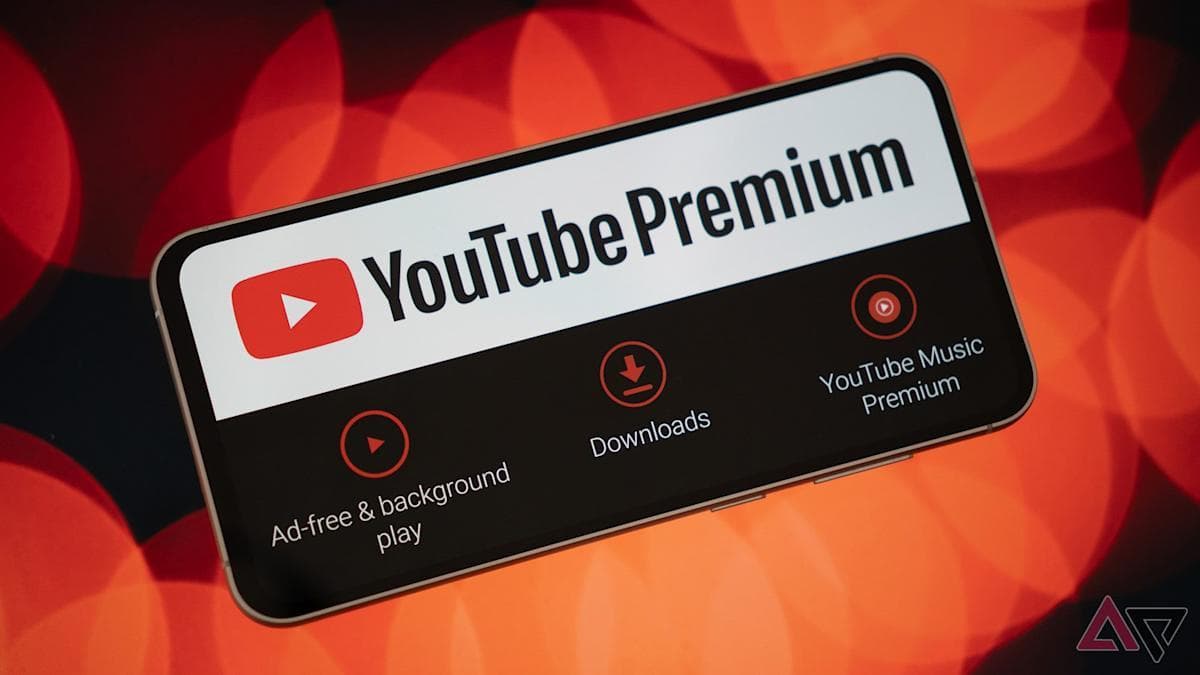
It usually starts with a small notification.
A message you almost ignore—until you read it again.
“Your subscription price is increasing.”
That’s exactly what’s happening now with YouTube Premium in the US. The price is going up, and while it may seem like just another routine update, it quietly reflects something much bigger about the digital world we live in.
For years, YouTube has been a free space.
You watch videos, discover creators, learn new skills—all without paying a rupee or a dollar. But over time, things began to shift. Ads increased. Features like background play and offline downloads became locked behind Premium. Slowly, the platform started building a reason for users to upgrade.
And many did.
Because convenience matters.
No ads. Music streaming. Background play. Downloads. It’s not just a subscription—it’s a smoother experience.
But now, with prices increasing, users are starting to ask a simple question:
Is it still worth it?
From YouTube’s perspective, the move makes sense.
Running a platform at this scale isn’t cheap. There are creators to pay, infrastructure to maintain, and new features to develop. As competition grows—from streaming platforms to music apps—YouTube is under constant pressure to evolve.
And evolution often comes with a price.
This increase is also part of a broader trend.
Across the digital world, subscription prices are rising. Whether it’s streaming services, music platforms, or productivity tools, companies are adjusting pricing to match demand, costs, and value.
We’ve entered an era where convenience is no longer free—it’s packaged.
And priced.
For users, this creates a moment of decision.
Do you continue paying for an uninterrupted experience?
Or go back to the free version with ads and limitations?
For some, the answer is easy. Premium has become a habit—something they rely on daily. For others, it might feel like an unnecessary expense.
There’s also a deeper shift happening here.
Platforms are no longer just competing for attention—they’re competing for subscriptions. Your monthly budget now includes not just essentials, but digital services: music, video, cloud storage, tools.
And every price increase forces you to rethink what truly matters.
So what does this change really mean?
It’s not just about YouTube.
It’s about how digital platforms are redefining value.
Free is becoming limited. Premium is becoming standard. And users are slowly moving from casual consumption to conscious choices.
Maybe that’s the real story.
We’re no longer just users of the internet.
We’re subscribers to it.