AI vs Creativity: Playdate Chooses Human-Made Games
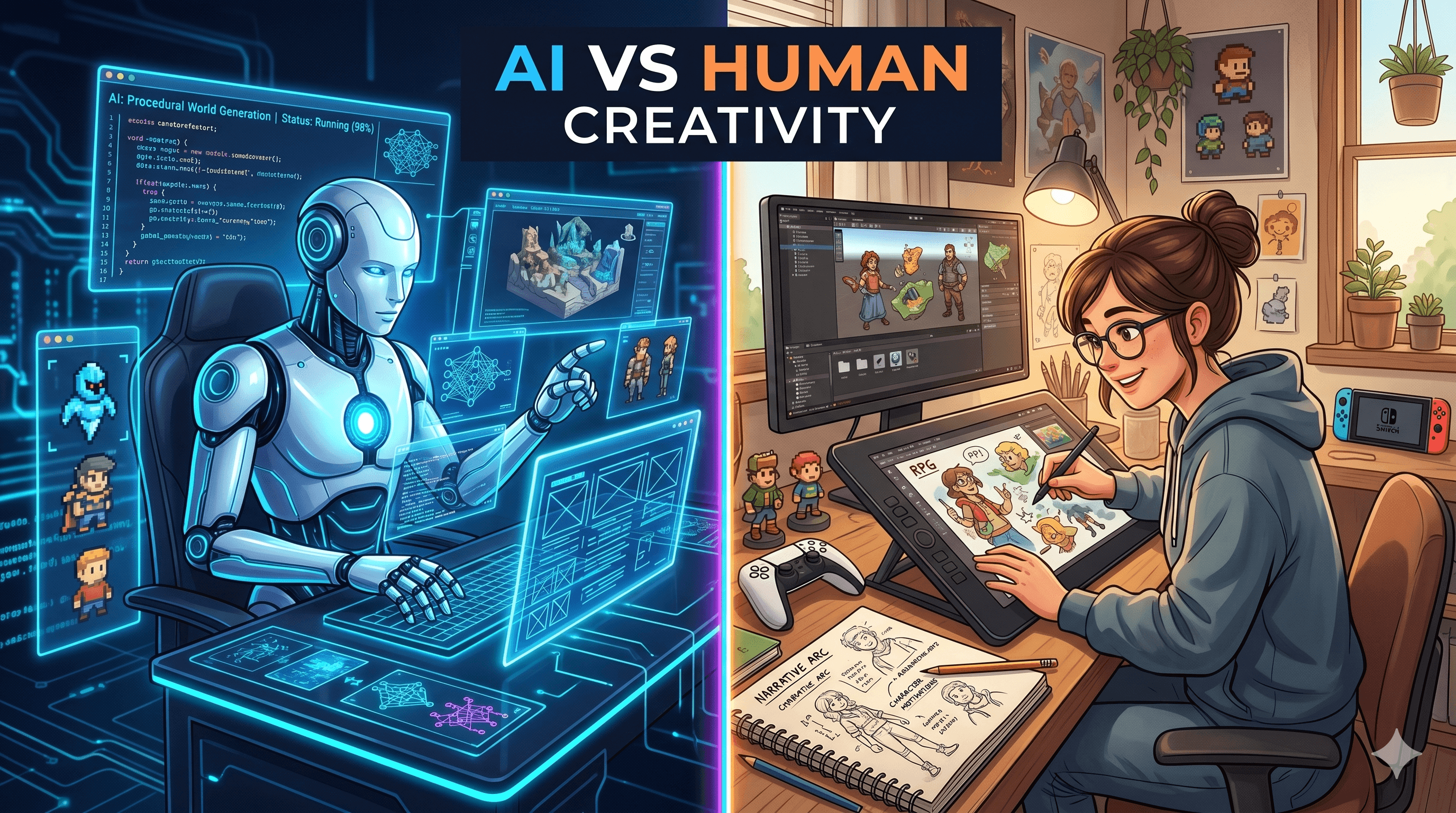
Panic, the company behind the unique handheld console Playdate, has taken a clear stance on generative AI in game development. According to recent updates, the Playdate Catalog will not accept games that are created using generative AI tools. This decision sets Playdate apart in an industry where AI-generated assets and content are becoming increasingly common.
The Playdate console is known for its creativity, simplicity, and strong focus on independent developers. By restricting generative AI content, Panic aims to preserve originality and ensure that games in the Catalog reflect genuine human creativity. This move highlights the company’s commitment to supporting handcrafted experiences rather than automated production.
For developers, this means that all assets — including art, music, writing, and code — must be created without the help of generative AI tools. While AI can speed up development, Panic believes it may compromise authenticity and raise concerns around ownership, copyright, and artistic integrity. As a result, developers targeting Playdate will need to rely on traditional creative processes.
This decision also sparks a larger conversation in the gaming industry. As AI tools become more powerful, platforms and companies are being forced to define their boundaries. While some embrace AI for efficiency and innovation, others, like Panic, are choosing to protect human-driven creativity and maintain a distinct identity.
For players, this could mean a more curated and unique experience. Every game on the Playdate Catalog is likely to feel more personal, experimental, and crafted with intention. It reinforces the idea that Playdate is not just another gaming platform, but a space for creativity and originality.
In the end, Panic’s decision may not be about rejecting technology entirely, but about choosing what kind of creative ecosystem they want to build. By setting these guidelines early, they are shaping the future of their platform — one that values human imagination over automation.